Human DNA as a Key Biological Material: Applications of Human Placenta DNA and COT I HUMAN DNA in FISH, NGS and Modern Genome Analysis

Donnerstag, Aug. 27, 2026
Human Placenta DNA in FISH and Hybridization Assays
Human Placenta DNA is used in a variety of molecular biology applications because of its biological characteristics. Typical applications include fluorescence in situ hybridization (FISH), Southern blotting and the construction of genomic libraries.
An established use is its application as background or blocking DNA in hybridization assays. In this role, Human Placenta DNA can reduce non-specific binding and help minimize cross-hybridization, resulting in higher signal specificity. These properties are particularly valuable in chromosomal analyses and diagnostic FISH workflows.
COT I HUMAN DNA as a Blocking Reagent for NGS and Genome Analysis
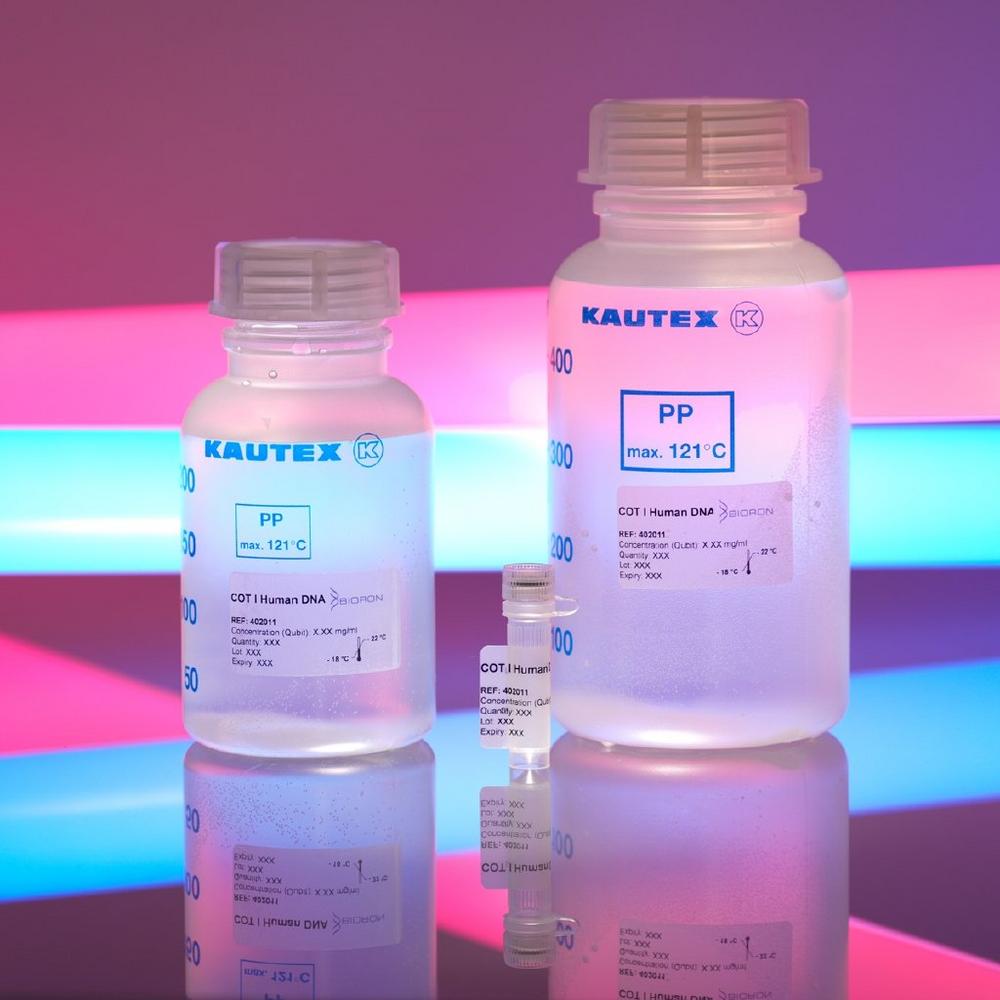
COT I HUMAN DNA is a genomic DNA fraction enriched for repetitive DNA sequences. It is commonly used as a blocking reagent to suppress repetitive sequences during hybridization, allowing probes to interact more efficiently with their intended target regions.
In hybrid capture workflows for next-generation sequencing, COT I HUMAN DNA is an established reagent that supports target sequence enrichment by reducing interference from repetitive genomic regions. It is also widely applied in research involving the analysis of complex genomes.
Applications in Research and Diagnostics
Human Placenta DNA and COT I HUMAN DNA are used in a broad range of molecular biology and genomics applications, including:
In diagnostic settings, appropriate blocking strategies can improve hybridization performance and support the detection of genetic alterations.
Quality Requirements for Functional DNA Products
Reliable molecular biology workflows depend on DNA components with consistent quality, high purity and good reproducibility. Standardized manufacturing procedures combined with comprehensive quality control help ensure dependable performance across different laboratory applications.
At the same time, regulatory compliance and traceable sourcing of biological materials have become increasingly important, particularly when DNA products are intended for use in diagnostic environments.
Growing Importance in Modern Genomic Technologies
As molecular biology workflows continue to become more automated, demand for standardized functional DNA components is also increasing. Next-generation sequencing, hybridization technologies and optimized blocking reagents are now routinely combined to support efficient genome analysis in both research and diagnostic laboratories.
Human Placenta DNA and COT I HUMAN DNA are among the established reagents used to optimize hybridization steps across a wide range of molecular biology workflows.
DNA Products for Research and Diagnostic Applications
Companies such as BIORON GmbH provide specialized DNA products for molecular biology, research and diagnostic laboratories. Their portfolio includes Human Placenta DNA and COT I HUMAN DNA for applications that require reliable and standardized DNA reagents.
Conclusion
Human Placenta DNA and COT I HUMAN DNA have become established functional components of modern molecular biology. Their applications extend from fluorescence in situ hybridization (FISH) and NGS hybridization workflows to chromosome and genome analysis. As blocking reagents, they support efficient hybridization processes and contribute to the reproducibility and specificity of molecular biology applications in research and diagnostics.
BIORON GmbH
In den Rauhweiden 20
67354 Roemerberg
Telefon: +49 (6232) 29845-0
Telefax: +49 (621) 57209-16
http://www.bioron.net
